
Cuando un camión llega a la terminal y el resultado de calidad no coincide con lo esperado, la discusión suele arrancar de cero: una parte dice una cosa, la otra dice otra, y no siempre hay una muestra tomada en el momento exacto de la descarga que respalde alguna de las dos posiciones.
Esa diferencia —a veces un punto de humedad, a veces un punto de cuerpos extraños— no es un detalle menor. Cambia la liquidación, cambia el resultado económico de la operación y, si no hay una muestra propia tomada a tiempo, cambia también la capacidad de reclamo.
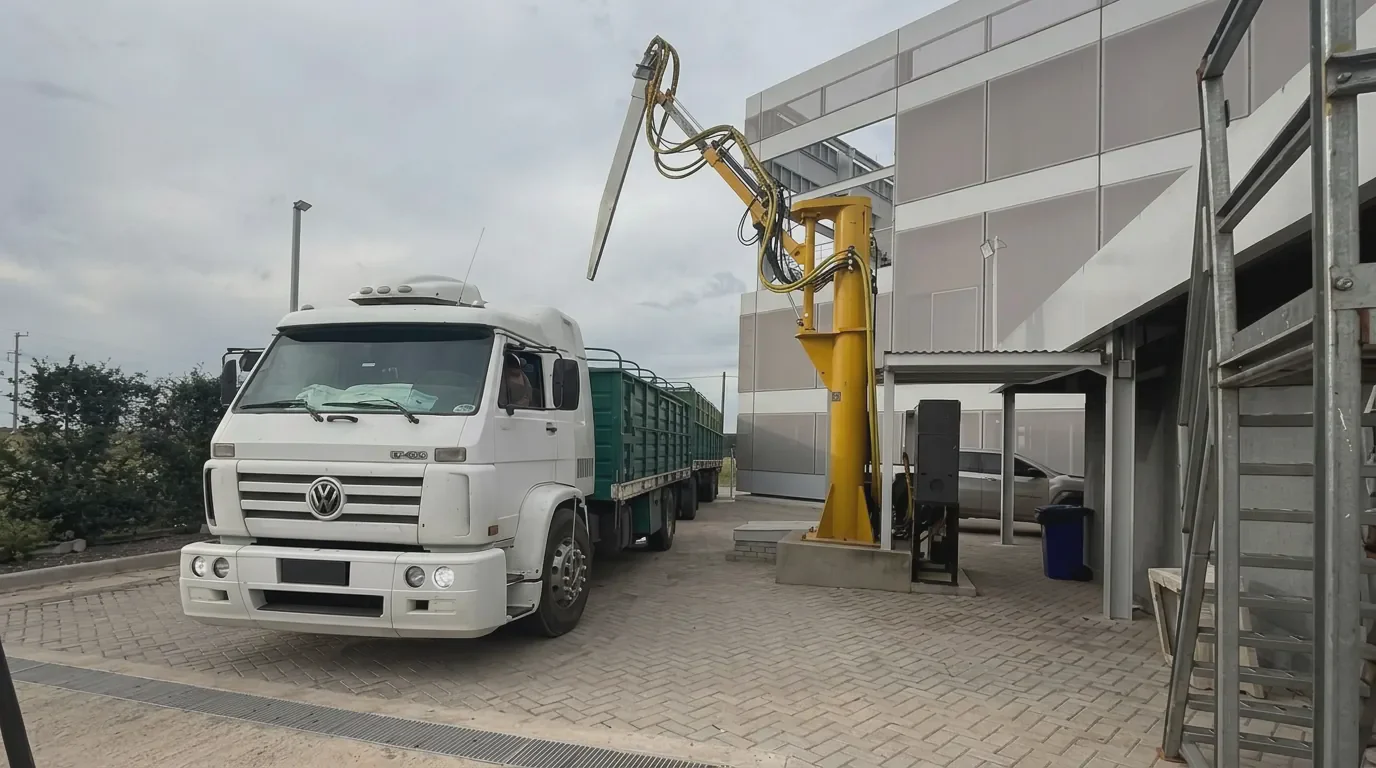
At Williams Agroservicios we support port delivery, logistics and agri-certification operations, controlling the variables that define the outcome in each one: weight, quality, documentation and timing. This monitoring allows us to detect deviations in time and keep the client informed with concrete data for decision-making. In Deliveries, this presence comes down to something specific: we take a sample with our own prober and analyse the goods.
Qué se controla durante la descarga y por qué importa cada etapa
La calidad de un grano no se define con un solo número. Durante la descarga se observan varias variables al mismo tiempo, y cada una puede modificar el resultado final:
- Humedad: afecta directamente el peso neto y las condiciones de conservación.
- Cuerpos extraños e impurezas: inciden en la clasificación comercial del lote.
- Grano dañado o quebrado: puede bajar la calidad comercial aunque el resto del lote esté en condiciones.
- Peso hectolítrico: es un indicador de densidad que también pesa en la calificación.
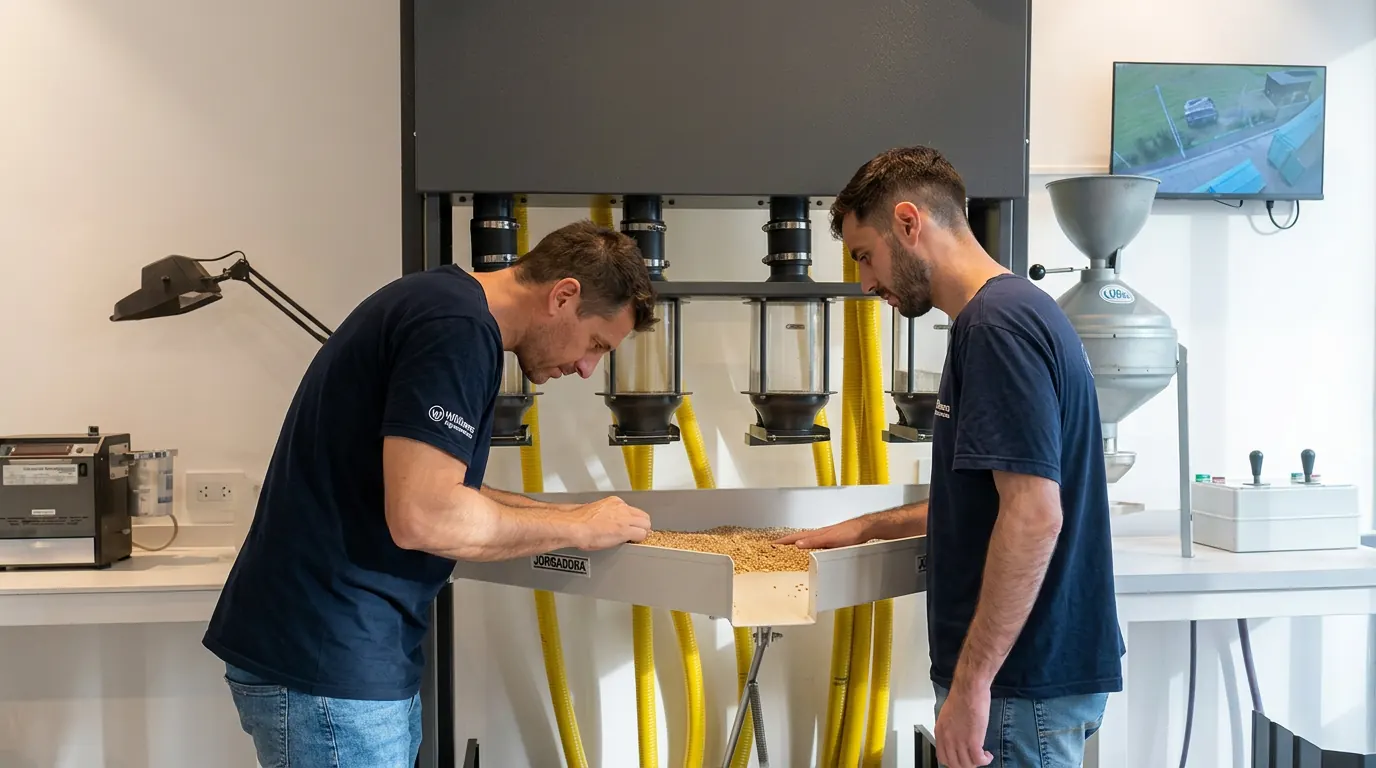
Each of these variables is measured on a sample. And a sample is only representative if it was taken with the correct criterion, that is, with probes representative of the goods as a whole.
Sin muestra propia, la discusión parte de cero
When there is no sample of your own, a quality deviation is debated based on what each party reports separately. There is no third analysis, taken at the time, to contrast against. The outcome depends on who is believed, and that leaves the client in a weak position facing a difference that can represent a real loss in the settlement.
How Williams intervenes: prior probing at our facilities, before the truck reaches the port
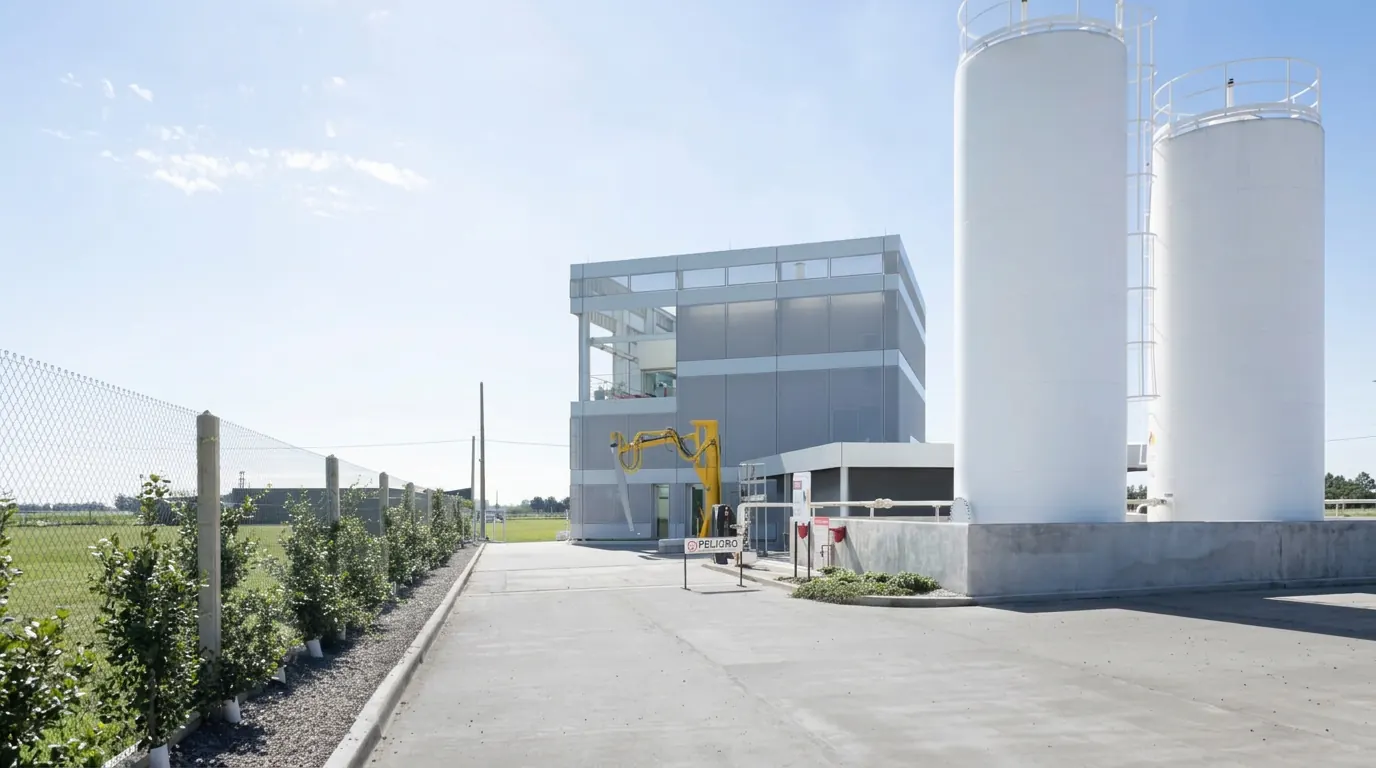
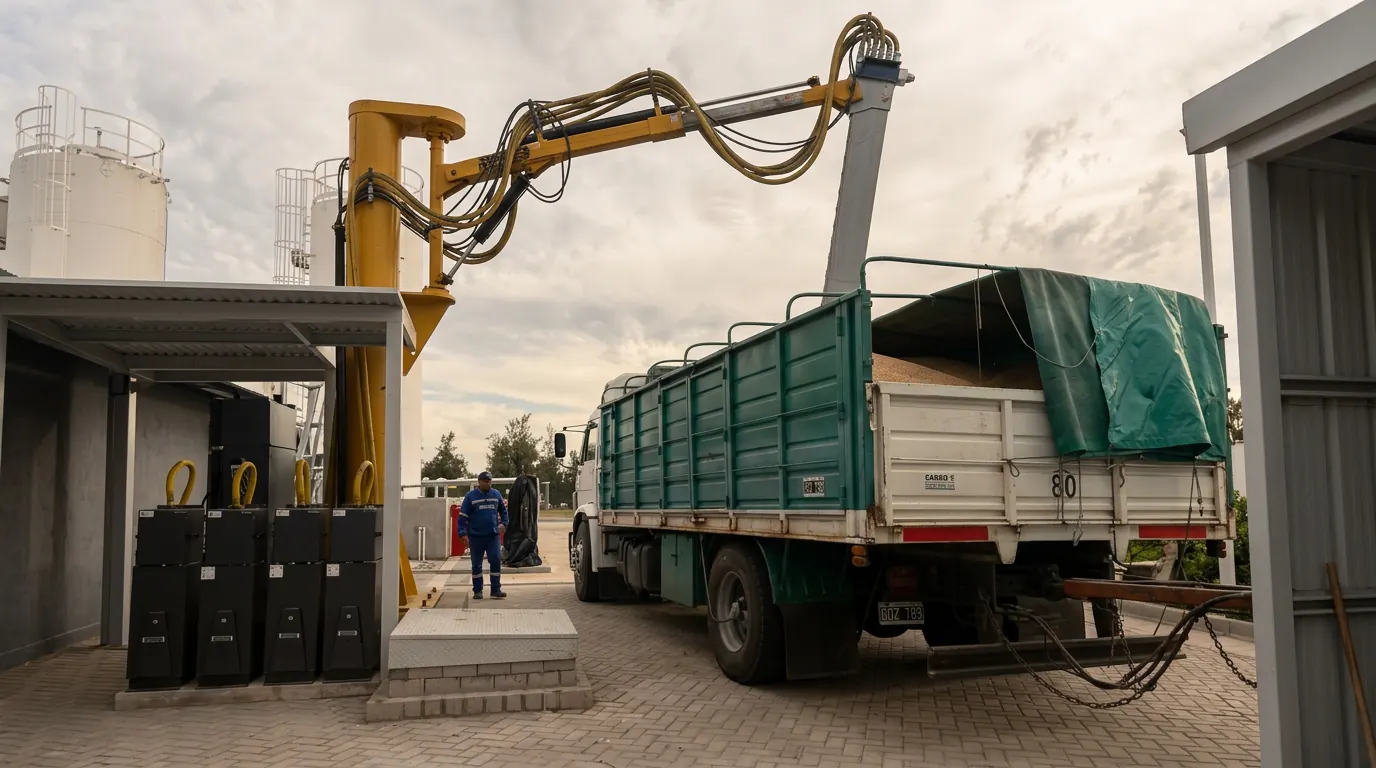
Williams carries out prior probing at its own facilities, before the truck reaches the port. That means:
- The sample is extracted at the time.
- The analysis is carried out with our own criteria, by qualified staff who determine the results analytically.
- The result is documented and available to the client while the operation is still underway.
Our own prober is used specifically for this purpose: extracting a representative sample for quality analysis. Weight control is carried out with the issuance of weighing tickets during the same operation.
Qué recibe el cliente
The client receives not just a sample, but most importantly a report with quality results based on Williams' own criteria, which will help them make decisions. This allows them to discuss a quality difference with the counterparty with certainty.
Diferencia de calidad detectada
- Without your own prober
- Se discute según lo que informa cada parte
- With your own prober
- Hay una muestra propia tomada en el momento para contrastar
Momento del análisis
- Without your own prober
- It depends on quality results reported unilaterally, without a second opinion on quality
- With your own prober
- Probed and analysed by our own competent staff.
Capacidad de reclamo
- Without your own prober
- Limitada si no hay muestra propia
- With your own prober
- Respaldada por un dato tomado con criterio propio
| Situación | Without your own prober | With your own prober |
|---|---|---|
| Diferencia de calidad detectada | Se discute según lo que informa cada parte | Hay una muestra propia tomada en el momento para contrastar |
| Momento del análisis | It depends on quality results reported unilaterally, without a second opinion on quality | Probed and analysed by our own competent staff. |
| Capacidad de reclamo | Limitada si no hay muestra propia | Respaldada por un dato tomado con criterio propio |
Un criterio, no solo un instrumento
Having a prober is not enough if there is no criterion behind how it is used: at which moments of the unloading each portion of the sample is taken, how it is homogenised, what is done if a deviation appears mid-operation. That criterion is what distinguishes a representative sample from one that merely ticks the box.
Controlar la calidad no es desconfiar, es tener información propia
Contar con una muestra propia no es poner en duda a la contraparte: es asegurarse de tener un dato propio disponible si hace falta. Cuando ese resultado, además, está disponible sin esperar el envío a otro lugar, la diferencia se nota todavía más.
Frequently asked questions
Common questions about this topic
- It is used to extract a representative grain sample during unloading and analyse its quality —moisture, impurities, damaged grain, test weight— using our own criteria. It is not the instrument used for weight control.
- The sample is taken and analysed when there are quality differences between the origin records and the destination analysis, when the truck is delayed.
- Al haber una muestra propia tomada en el momento, el cliente cuenta con un dato con el que puede discutir la diferencia, en lugar de depender únicamente de lo que informa la contraparte.
- Yes. In addition to quality analysis and control, weight can also be checked with the issuance of weighing tickets.
- They receive the result of the quality analysis carried out in the laboratory, with all analysed quality items in detail.
- No los reemplaza: los complementa con un dato propio, tomado con el mismo criterio en cada operación, que el cliente puede usar como referencia.
Pulso Puerto editorial team
Notes prepared by the Pulso Puerto editorial team in conjunction with Williams Agroservicios operators who work daily at the terminals.