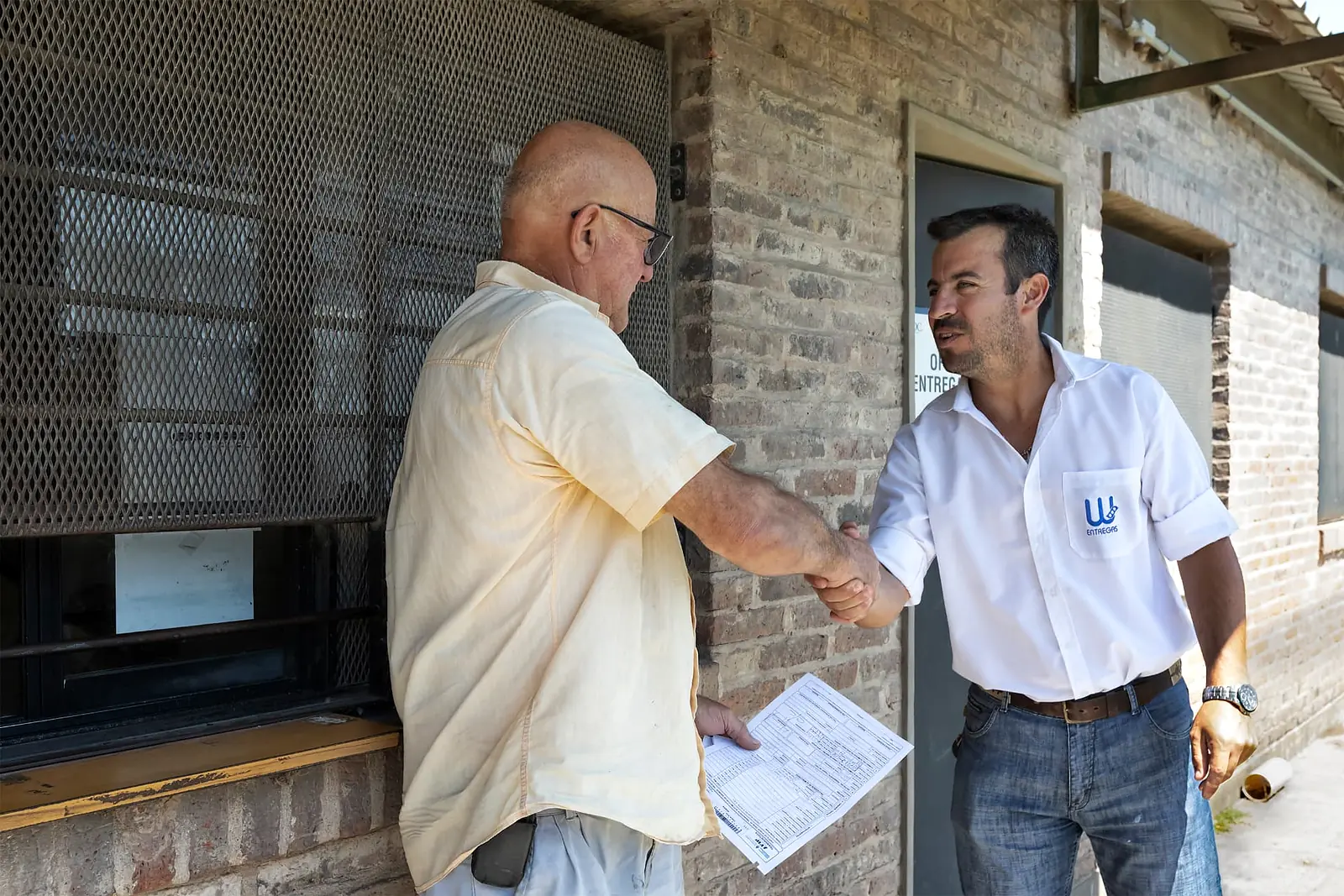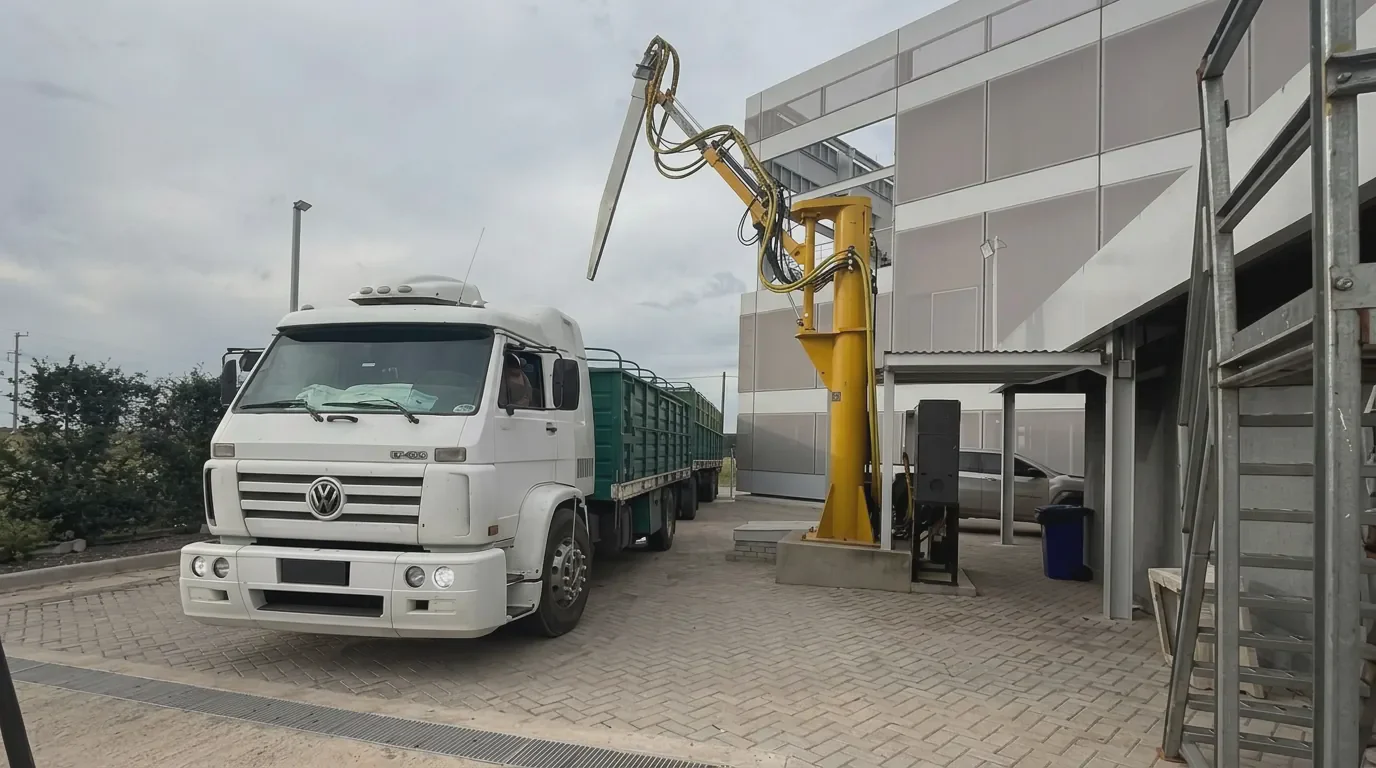


During port unloading, decisions are made that the client almost never sees at the time: how a quality criterion is interpreted, how long to wait before recording a delay, and how a difference between the weight reported at origin and the weight recorded at the port is documented. None is dramatic on its own, but all affect the outcome of the operation.
If no one follows those decisions from the client’s perspective, the outcome only becomes known in the subsequent report. By then, there is much less scope to request clarification or record an observation.
Williams Agroservicios supports port delivery, logistics and agricultural certification operations. It monitors weight, quality, documentation and timing in each operation to identify deviations and keep the client informed. In Deliveries, this means representing the client before the terminal while unloading takes place, when the contracted service includes it, rather than simply providing a report at the end.
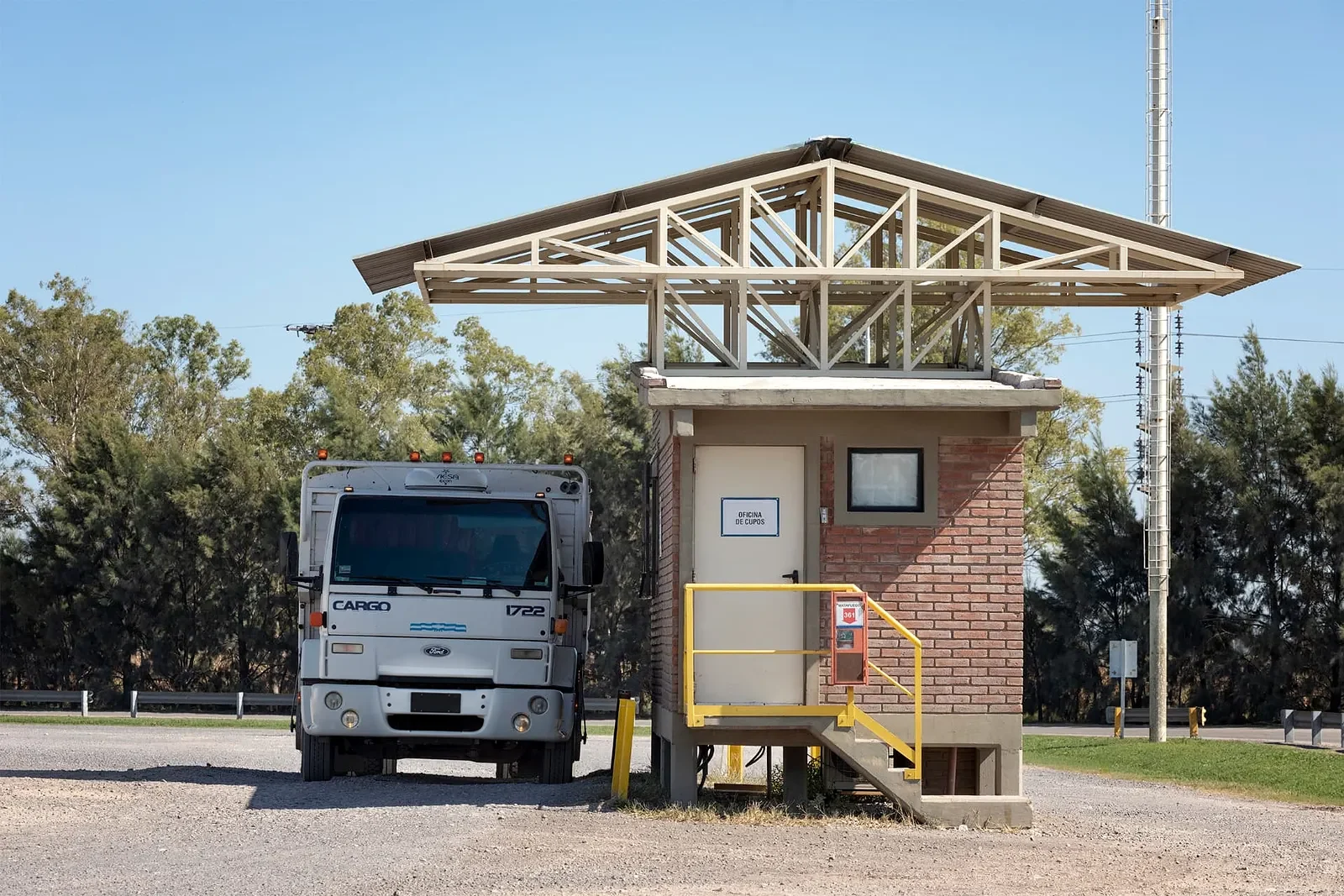
Decisions made without the client seeing them
Unloading is not a single checkpoint: it is a sequence of smaller decisions about timing, quality criteria and how each observation is recorded. The terminal makes them in accordance with its procedures, as it should.
What changes when someone is on the client’s side is that there is a second perspective. Someone familiar with the operation can follow how each criterion is interpreted and raise a query while it is still useful.
Weight differences, waiting times and quality criteria
The sign is not always an obvious error. Often, it is a situation that can be interpreted in more than one way:
- a difference between the weight reported at origin and the weight recorded at the port;
- a waiting time that may or may not be documented as a delay;
- a quality criterion applied to a consignment that is close to the limit;
- an observation about the load that should be reviewed before unloading ends.
If no one follows these decisions, they are recorded without the client having had the opportunity to provide their information.
What changes when someone is present before the terminal
Being present before the terminal during unloading allows the team to:
- follow how the operation unfolds at the time, rather than learning the outcome only in the final report;
- request clarification or record an observation, in accordance with applicable procedures;
- communicate to the client what is detected and the responses received;
- represent the client with concrete information so they can decide how to proceed.
Presence depends on the contracted service and the coverage agreed with each client. It does not replace the terminal’s procedures or guarantee that an observation will be changed: its contribution is to ensure that the client’s perspective is present while decisions are made.
Informing afterwards is not the same as representing during unloading
Interpretation of a quality criterion
- Subsequent report only
- Known in the final result
- Presence during unloading
- Can be followed up and queried at the time
Weight difference between origin and port
- Subsequent report only
- Detected when comparing reports
- Presence during unloading
- Can be queried while unloading is still in progress
Recording an observation
- Subsequent report only
- Recorded without the client’s information
- Presence during unloading
- Can be recorded in accordance with applicable procedures
What the client receives
- Subsequent report only
- The unloading result
- Presence during unloading
- The result and what happened during the operation
Client’s scope for action
- Subsequent report only
- More limited, after the event
- Presence during unloading
- Greater, while the operation is still in progress
| Stage | Subsequent report only | Presence during unloading |
|---|---|---|
| Interpretation of a quality criterion | Known in the final result | Can be followed up and queried at the time |
| Weight difference between origin and port | Detected when comparing reports | Can be queried while unloading is still in progress |
| Recording an observation | Recorded without the client’s information | Can be recorded in accordance with applicable procedures |
| What the client receives | The unloading result | The result and what happened during the operation |
| Client’s scope for action | More limited, after the event | Greater, while the operation is still in progress |
The difference between informing and representing lies in timing: before or after the decision has been made.
Presence at the terminal and an independent sample: two different sources of information
Presence during unloading does not replace an independent quality sample taken with a grain probe: it complements it. The sample provides independent information about grain qualityGrain quality is not debated — it is tested.
Presence allows the team to follow operational decisions that also affect the outcome.
And if an unexpected issue arises during unloading that needs to be checked at the time, having offices close to the terminal shortens response timeWhen a problem arises at the port, the response needs to be there too.

Being present is a practical way of being on the client’s side
Representing someone is not just telling them what happened: it is being present while decisions are made, so their perspective is also taken into account. That is the difference between receiving a result and knowing how it was reached.
Frequently asked questions
Common questions about this topic
- Decisions about waiting times, how quality criteria are applied, and how observations or weight differences between origin and port are recorded. Each affects the final outcome of the operation.
- Because the subsequent report shows the outcome once the decision has already been made. Being present during unloading allows the team to follow how each criterion is interpreted and request clarification or record an observation while the operation is still in progress.
- It can inform the client of what was observed and, depending on the case and applicable procedures, request clarification or record the situation. With that information, the client decides how to proceed.
- No. The possibility of changing a decision depends on each situation and the terminal’s procedures. Presence allows the team to understand what happened and convey that information to the client in time.
- No. These are complementary tools: an independent sample taken with a grain probe provides information about grain quality, and presence at the terminal allows the team to follow operational decisions during unloading.
- Information about how unloading unfolds, any observations that arise and the responses obtained, in accordance with the scope of the contracted service.
- It depends on the coverage agreed with each client and the characteristics of the operation at each terminal. Williams Agroservicios has its own offices near the terminals in San Lorenzo, Arroyo Seco, Lima and Bahía Blanca.
Redacción Pulso Puerto
Notes prepared by the Pulso Puerto editorial team in conjunction with Williams Agroservicios operators who work daily at the terminals.