
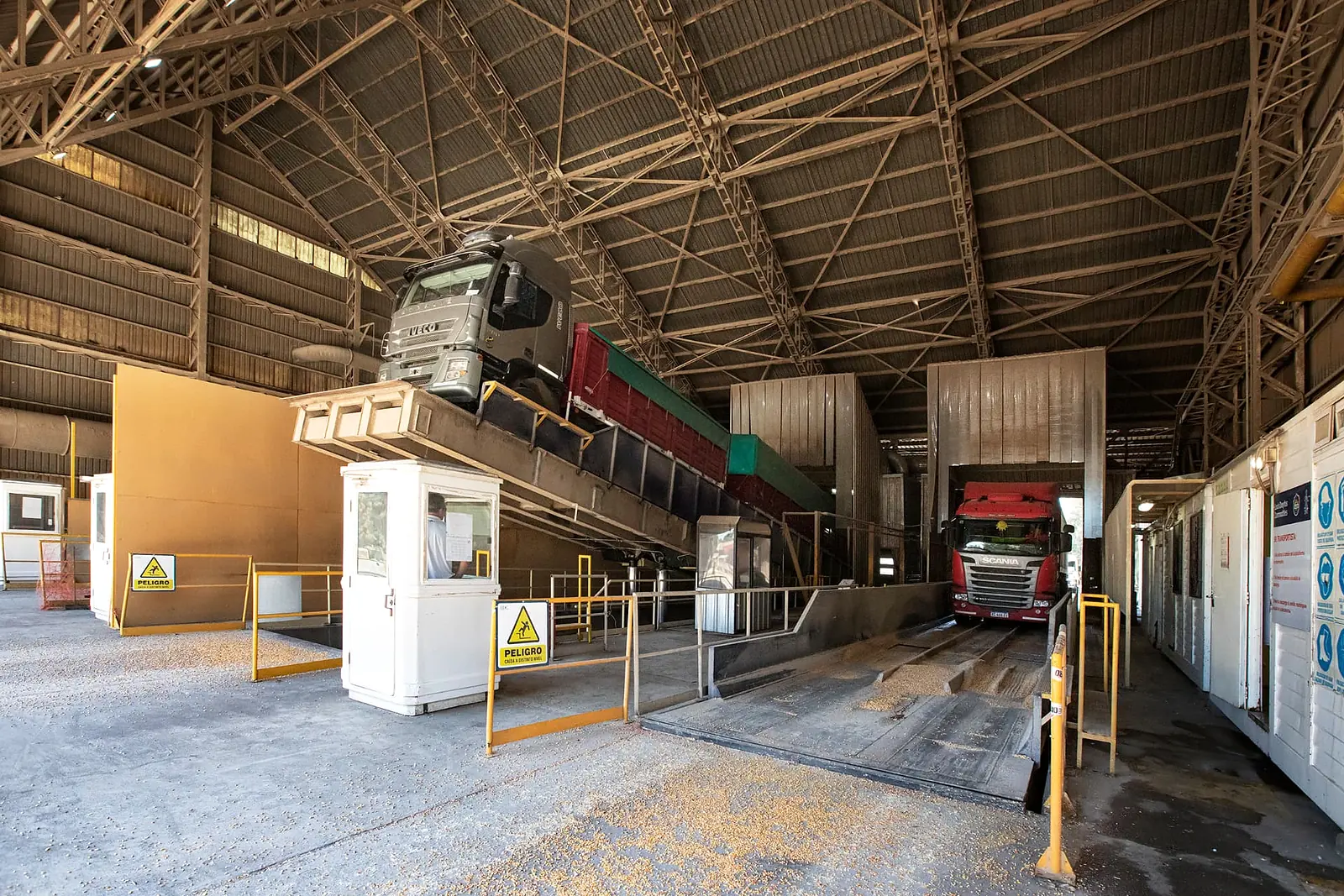
Unloading at the port can proceed for hours without incident and then, suddenly, something does not add up: a quality difference from what was expected, a deviation that needs to be checked with an additional sample, or an observation from the terminal about the goods that requires a response before the truck continues in the queue.
At that point, what matters most is the time between the unexpected issue arising and someone being able to see it on site. Coordinating from a distance — calls, waiting, travel — uses up part of the window in which the situation can still be checked and decisions made with data.
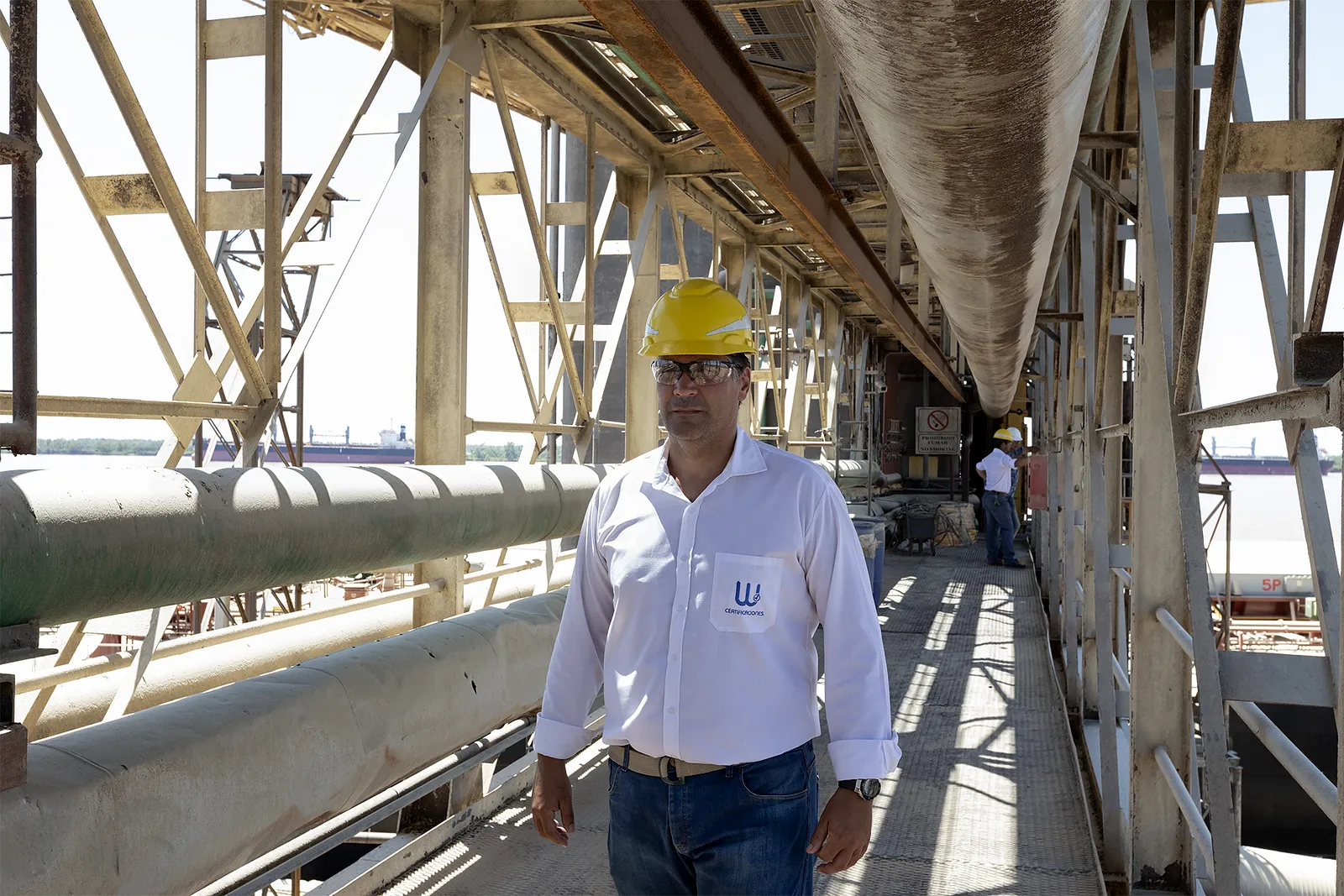
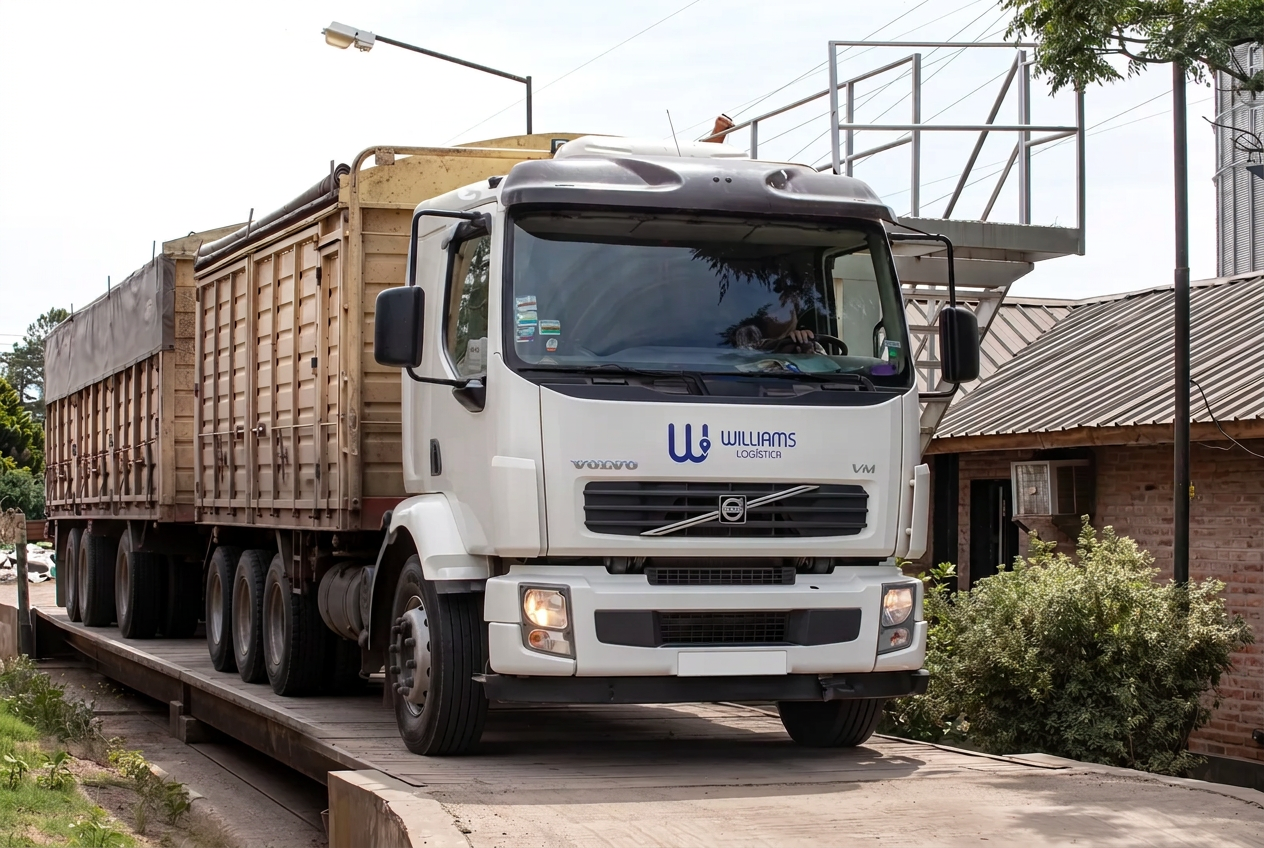
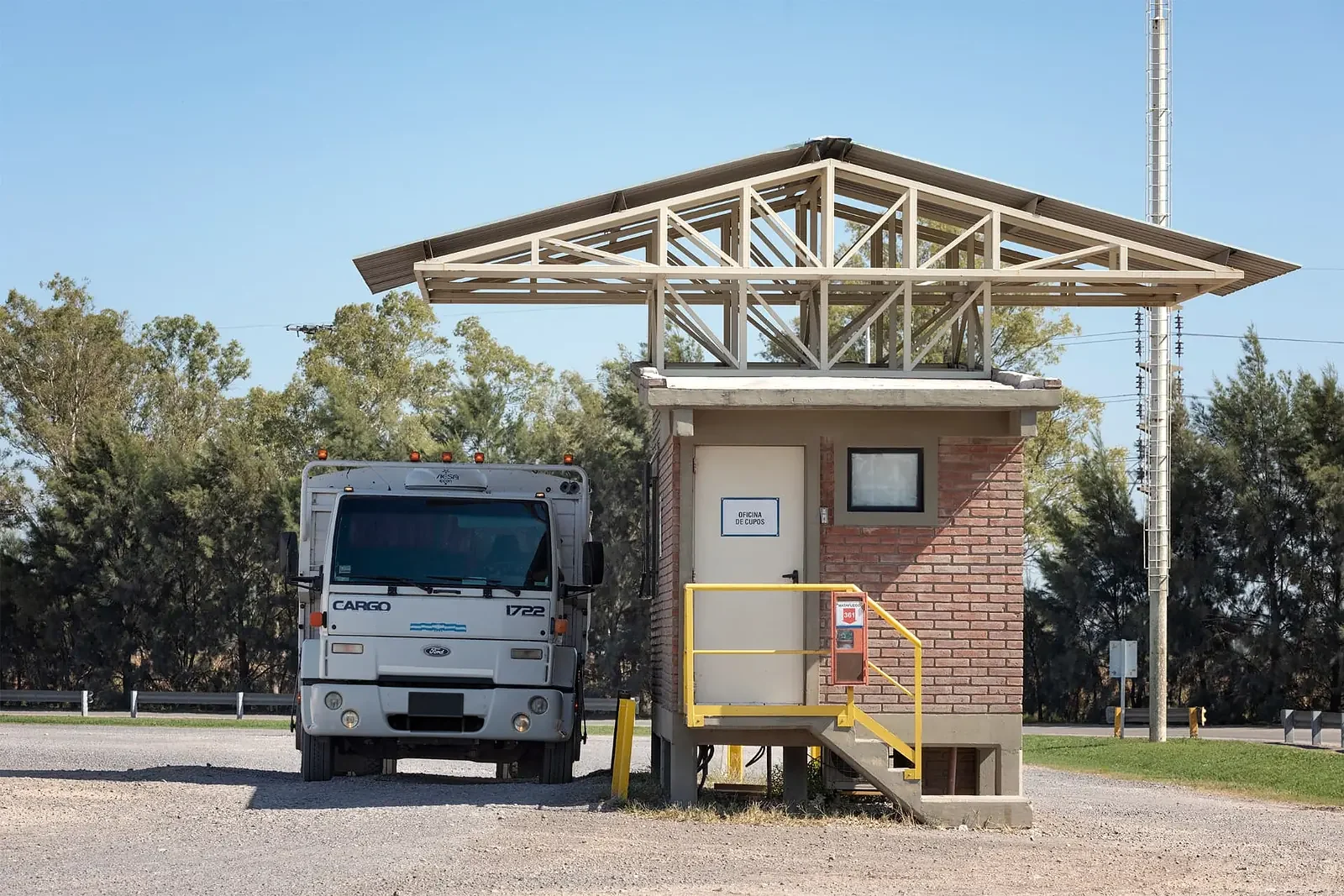
Williams Agroservicios supports agricultural port delivery, logistics and certification operations. It monitors weight, quality, documentation and timing for each operation to detect deviations and keep the client informed. With its own offices minutes from the terminals in San Lorenzo, Arroyo Seco, Lima and Bahía Blanca, its team can go to check a situation while unloading is still underway, when the contracted service includes this assistance.
What is lost when the response does not arrive in time
An unexpected issue during unloading cannot always wait. If a quality difference appears halfway through a truckload, an additional sample is needed, or the terminal raises an observation about the load, the window to check it is short: the operation keeps moving.
When a response is coordinated remotely, someone has to hear about the issue, assess it using second-hand information and only then travel to the site or give an instruction. By that time, unloading may have continued without the information needed to decide.
What situations can arise during unloading
Every operation is different, but the signs are usually specific:
- a quality difference from what was expected;
- a query about the condition of the goods;
- an observation from the terminal that needs verification;
- the need for an additional sample before a result is recorded as final.
What matters is not anticipating every possible unexpected issue, but understanding what was observed and what information is needed to assess it while the operation is still underway.
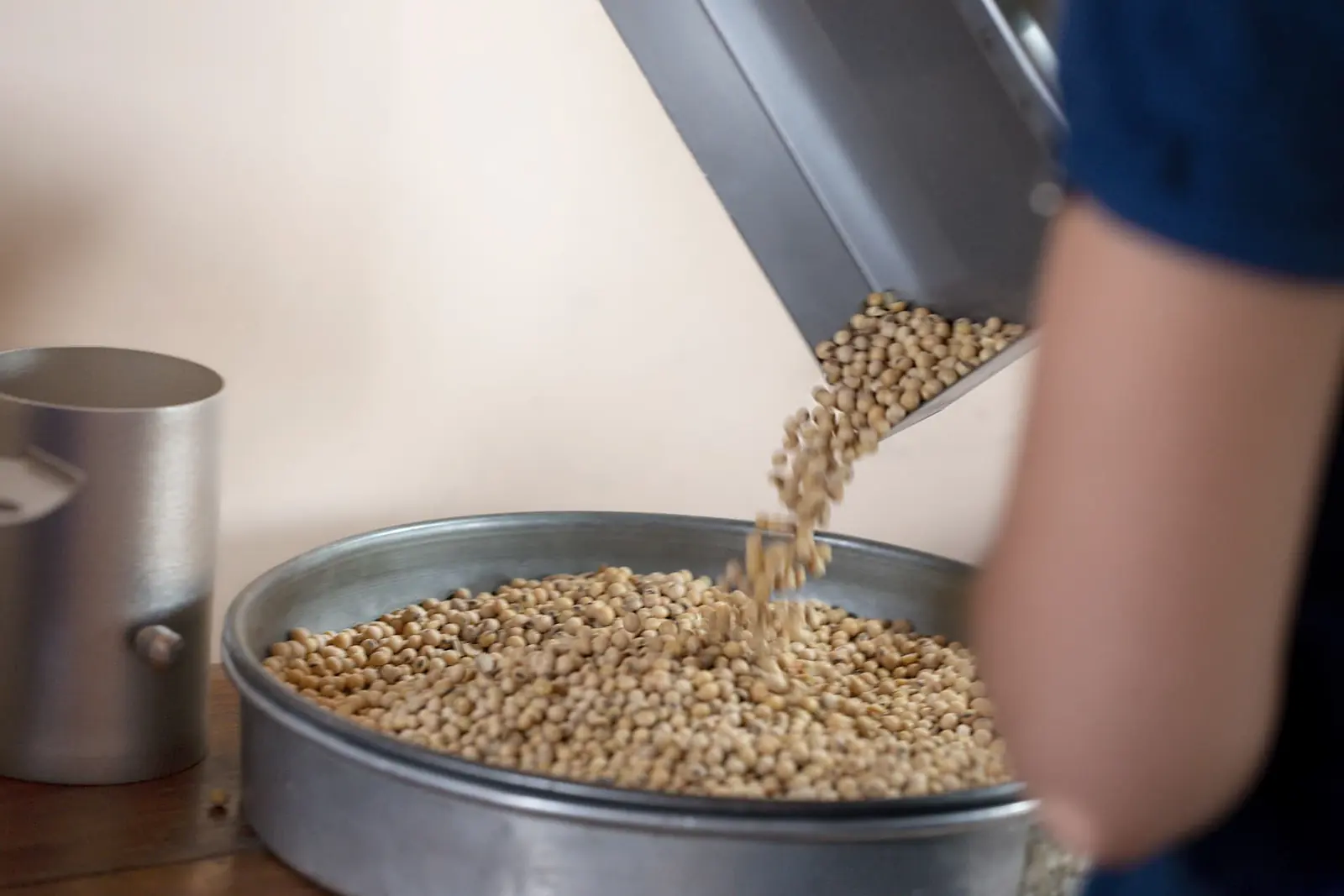
What Williams does when an unexpected issue arises at the terminal
Being minutes from the terminal allows us to:
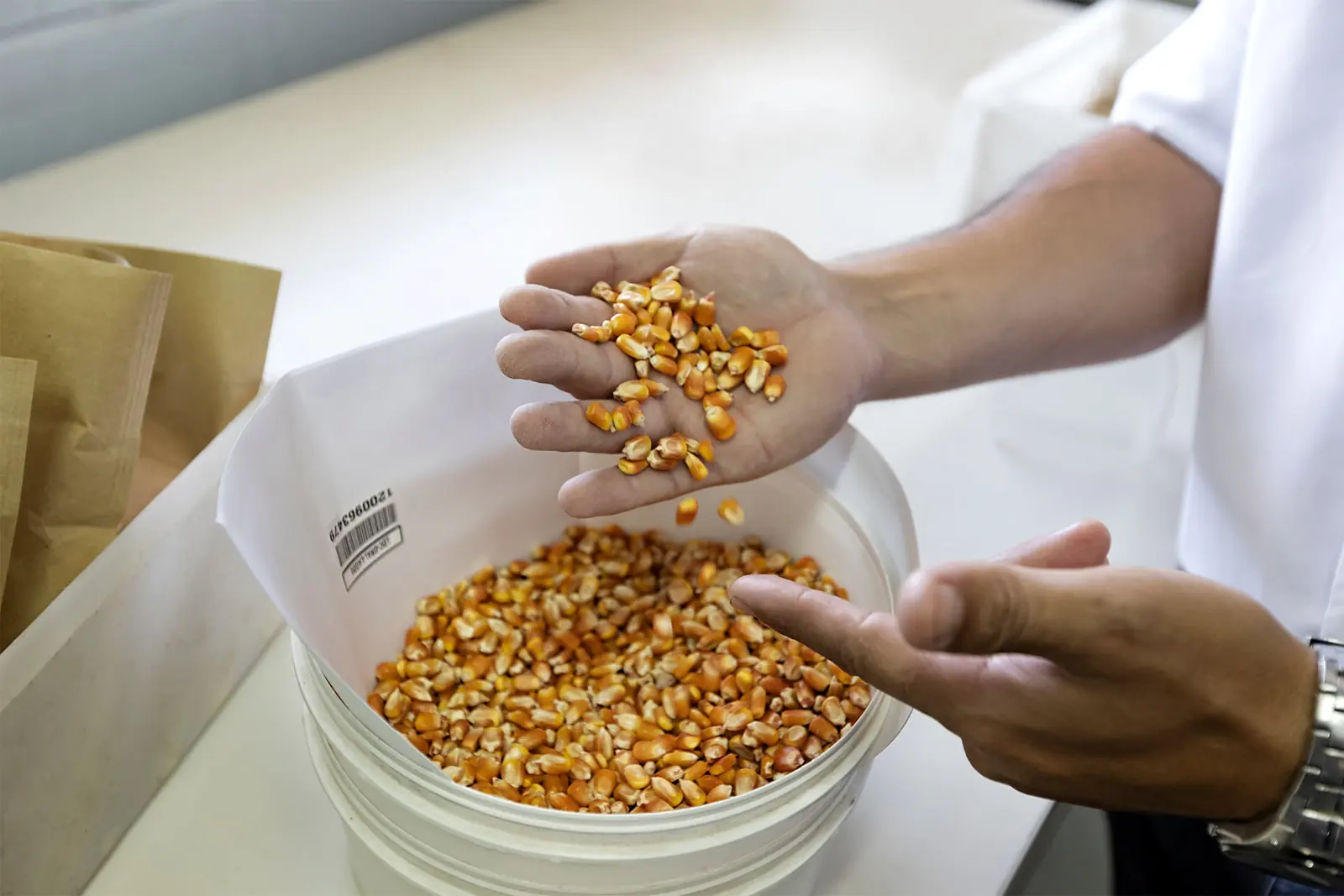
- go to observe the situation directly, without relying only on information conveyed by phone;
- take an additional sample, when the situation and procedure allow it;
- inform the client of what was observed while unloading continues;
- support the assessment of the next steps.
With that information, the client decides how to proceed. Being by your side, in this case, means that the information arrives when it is still useful for making a decision.
Assistance during unloading depends on the contracted service and the coverage agreed with each client. Proximity does not guarantee that every difference can be corrected, but it provides direct information at a point when it is still useful.
Why distance from the terminal changes response time
An observation arises during unloading
- Remote coordination
- It is reported by phone and assessed using second-hand information
- Team close to the terminal
- The team can go to the site and observe the situation directly
An additional sample is needed
- Remote coordination
- Depends on arranging travel to the site
- Team close to the terminal
- It can be taken with less delay, if the procedure allows it
Response time
- Remote coordination
- Subject to distance and transport availability
- Team close to the terminal
- Shorter, because the offices are close to the terminal
What the client receives
- Remote coordination
- Information conveyed by third parties
- Team close to the terminal
- Data observed on site to decide how to proceed
| Situation | Remote coordination | Team close to the terminal |
|---|---|---|
| An observation arises during unloading | It is reported by phone and assessed using second-hand information | The team can go to the site and observe the situation directly |
| An additional sample is needed | Depends on arranging travel to the site | It can be taken with less delay, if the procedure allows it |
| Response time | Subject to distance and transport availability | Shorter, because the offices are close to the terminal |
| What the client receives | Information conveyed by third parties | Data observed on site to decide how to proceed |
The difference is not just in minutes: it is when information arrives during the operation and whether it is still useful for making a decision.
Proximity and documentation monitoring: two parts of the support
Documentation monitoring and presence during unloading serve different purposes. Reviewing documentation helps anticipate missing paperwork or inconsistencies before the truck reaches the terminalMissing paperwork only becomes apparent when the truck is already in the queue.
Nearby assistance, when included in the agreed service, addresses issues that arise during the operation. Neither replaces the other: together, they give the client clear information before and during delivery.
Being close means being able to act in time
Not every unexpected issue can be anticipated, and each case requires its own assessment. What changes the situation is not having foreseen everything, but being able to see it on site while unloading at the port is still underway.
Frequently asked questions
Common questions about this topic
- There may be quality differences from what was expected, queries about the condition of the goods, observations from the terminal about the load, or a need for an additional sample. In all cases, the situation should be checked while the operation is still underway.
- Because it reduces the time between an unexpected issue arising and someone being able to see it on site. A nearby team can observe the situation directly rather than assess it using information conveyed by phone, and the client receives the information when it is still useful for making a decision.
- Not necessarily. Assistance during unloading depends on the contracted service, the coverage agreed with each client and the characteristics of the operation. Williams Agroservicios has its own offices minutes from the terminals in San Lorenzo, Arroyo Seco, Lima and Bahía Blanca.
- Yes, when the situation and applicable procedures allow it. The additional sample provides concrete information to analyse the case, and its result is shared with the client so they can assess how to proceed.
- Not necessarily. Verification provides more information and supports the assessment, but each situation depends on its characteristics and on the decisions made during the operation.
- The options are usually more limited, because the goods have already been received and the result may have been recorded. That is why verification during the operation is as important as the final report: it provides information while action is still possible.
- No. These are complementary tasks: documentation monitoring takes place before unloading to anticipate missing paperwork or inconsistencies, while nearby assistance supports, when agreed, situations that arise during the operation.
Redacción Pulso Puerto
Notes prepared by the Pulso Puerto editorial team in conjunction with Williams Agroservicios operators who work daily at the terminals.