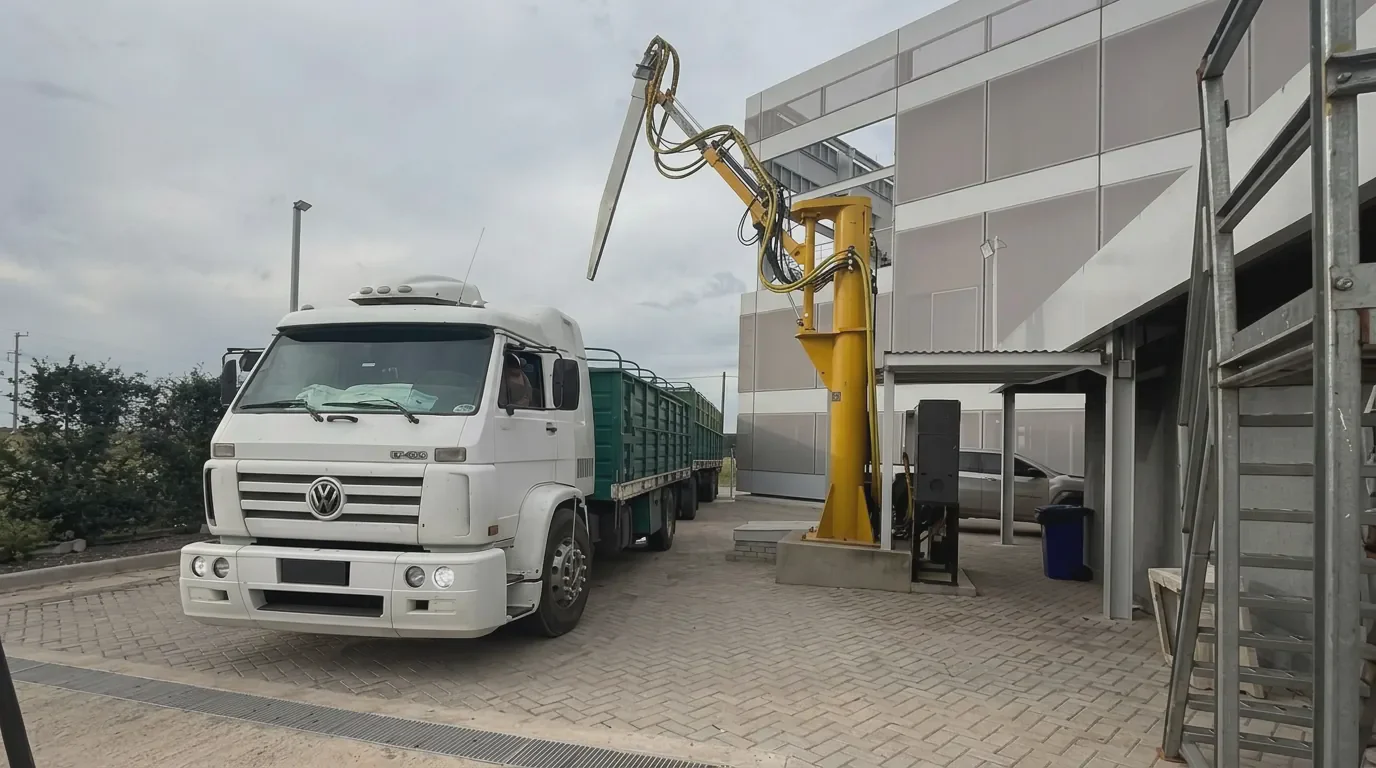
A truck enters a terminal, is weighed, unloads its goods and continues on its route. If a discrepancy in weight, quality or quantity arises during this process, having information at that moment allows the situation to be assessed while the operation is still underway.
That is why the value of an on-site inspection, conducted directly at the location of the operation, lies not only in the results it produces: it also lies in when those results become available. Weighing checks, quality inspections and supervision of loading and unloading provide key information for verifying the conditions of each operation.
Williams Agroservicios supports port delivery, logistics and agricultural certification operations. Within Certificaciones, its Inspection and Certification Department (DIC) provides inspection, control and certification services for commodities, specialty products and by-products at ports, terminals, industrial plants and storage facilities. Its activities include quality, quantity and weight checks, sampling and supervision of operations, with technical information and supporting documentation.
Williams operates under a management system certified to ISO 9001:2015 by IRAM and has an Inspection Body (OI) accredited by OAA under ISO/IEC 17020, within its scope of accreditation. It also holds registrations, memberships and recognitions related to SENASA, GAFTA and FOSFA, as applicable.
ISO 9001:2015
- Granted by
- IRAM
- What it supports
- Quality management system
ISO/IEC 17020
- Granted by
- OAA (Organismo Argentino de Acreditación)
- What it supports
- Inspection Body, within its scope
| Certification or accreditation | Granted by | What it supports |
|---|---|---|
| ISO 9001:2015 | IRAM | Quality management system |
| ISO/IEC 17020 | OAA (Organismo Argentino de Acreditación) | Inspection Body, within its scope |
The Inspection Body operates under principles of impartiality, technical independence and professional competence, which ensure the objectivity of its verifications and reported results.
What is checked during an on-site inspection
Checks depend on the product, the facilities and the requirements of the contracted service. During truck receiving at port terminals and industrial plants, inspection may include:
- checks on gross weights, tare weights and net weights;
- inspection of the quality and condition of the goods;
- collection of representative samples;
- inspection of warehouses, bins, silos and receiving or unloading areas, verifying their condition and suitability;
- supervision of unloading operations;
- recording of times, movements, interruptions and incidents;
- verification of quantities and documentation of results.
Shipment checks and draft survey
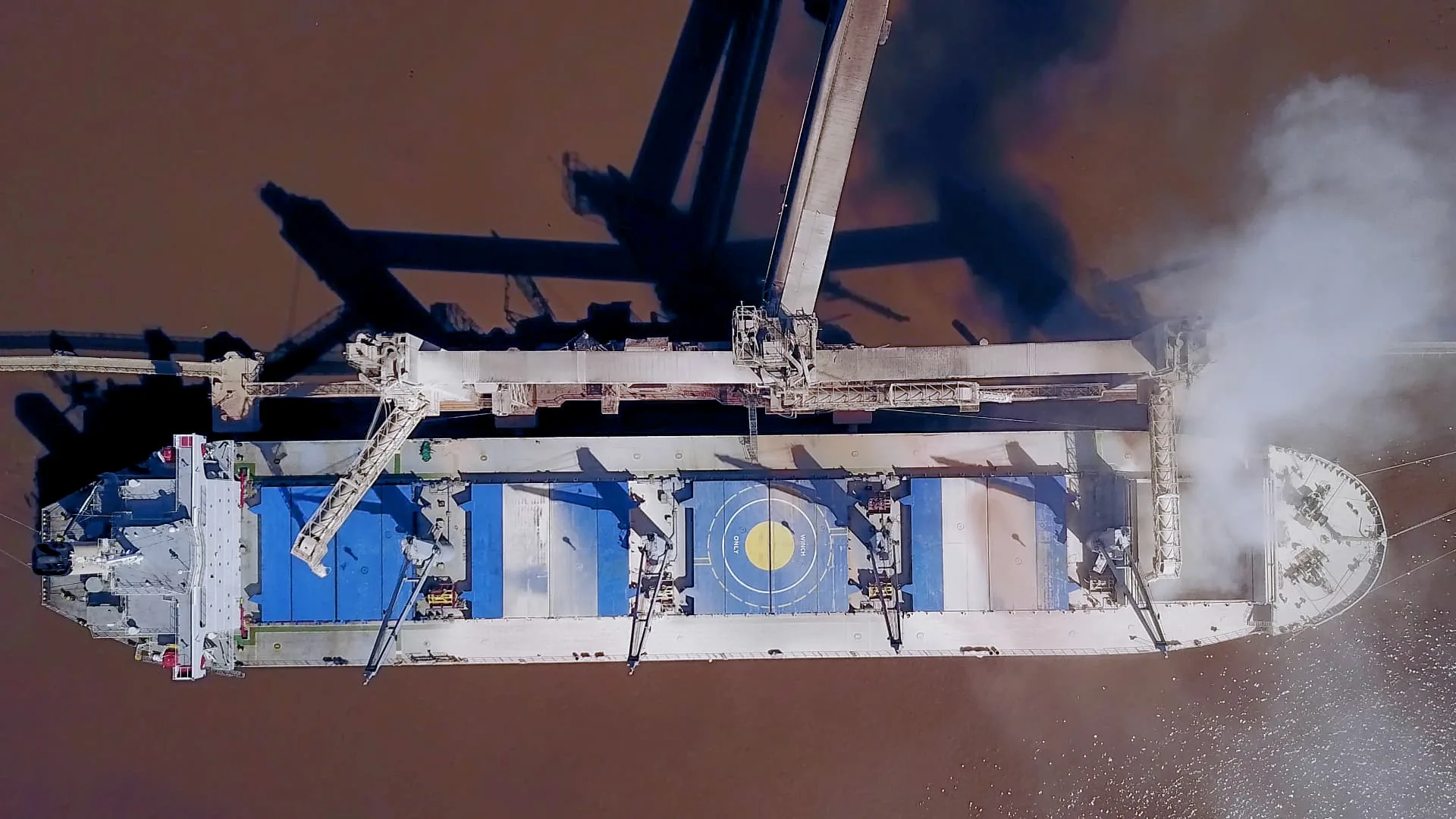
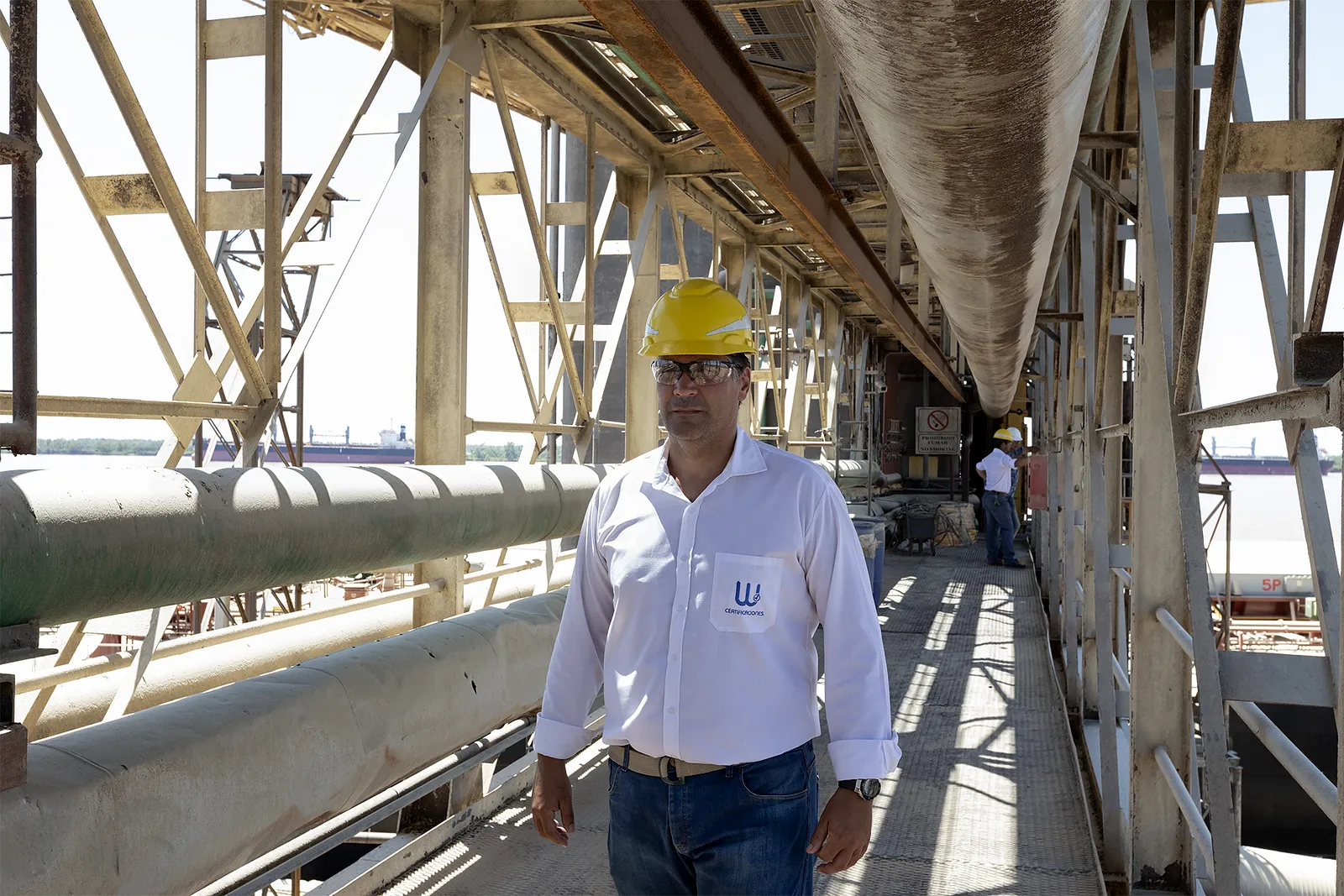
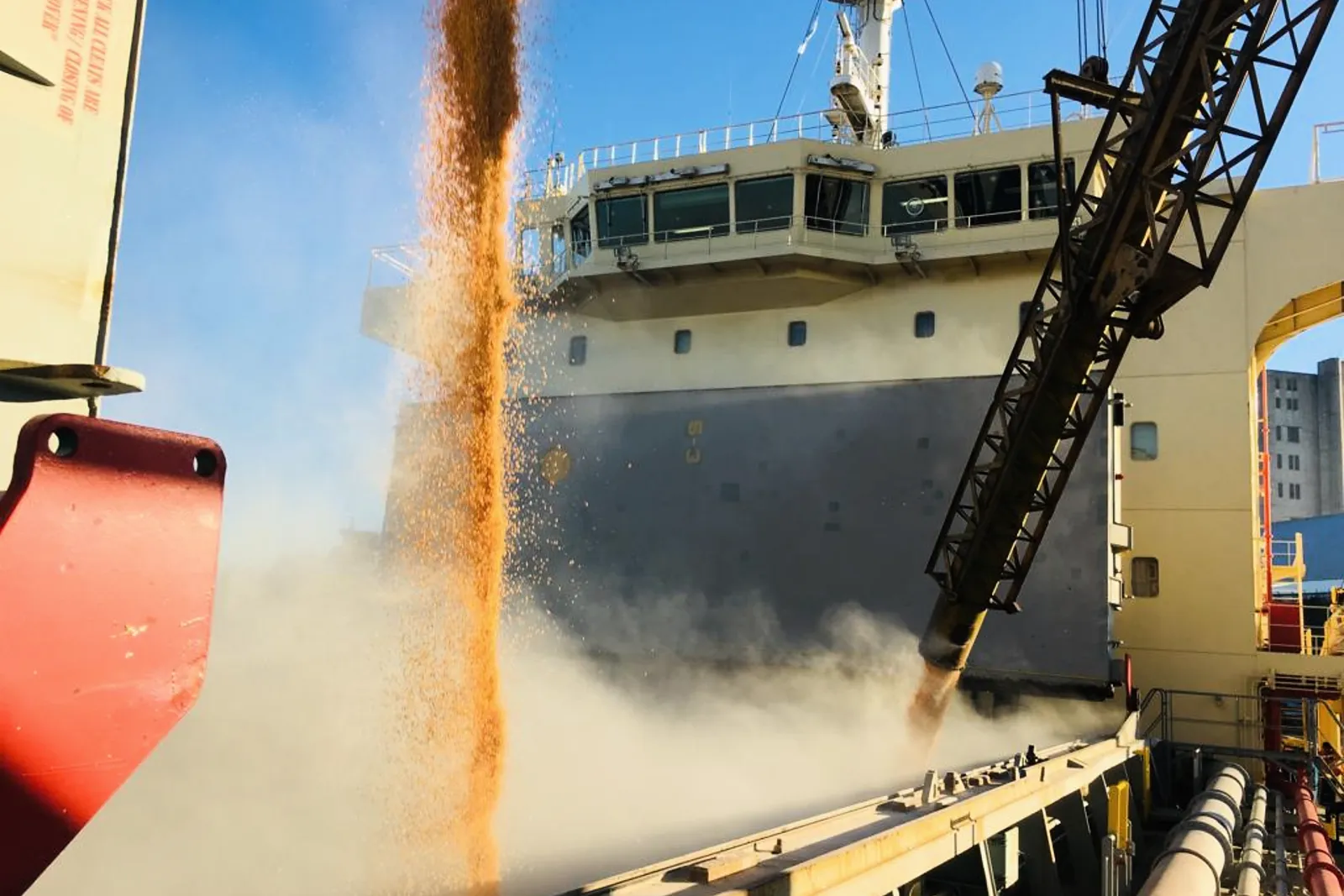
During ship loading operations, Williams Certificaciones performs qualitative and quantitative inspections, supervision of loading and unloading, inspections of holds and compartments, sampling, weight checks and quantity determinations.
It also provides measurement services through Draft Survey (draft measurement): monitoring quantities loaded or unloaded and checking the operating conditions of vessels and barges.
These activities may extend to containers, trucks, railcars and other transport units, depending on the characteristics of the service.
What parameters grain quality analysis measures
Quality checks are tailored to the characteristics and specifications of each product: cereals, oilseeds, by-products, fertilizers and other agro-industrial goods.
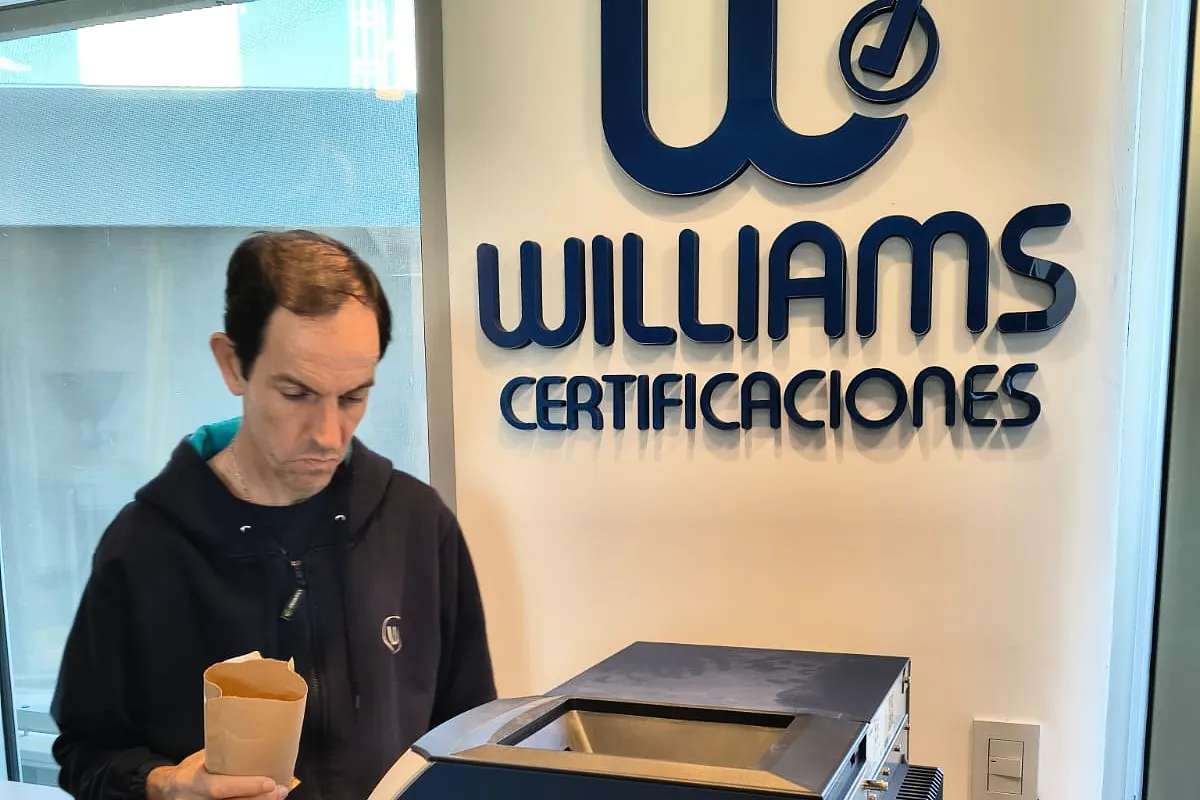
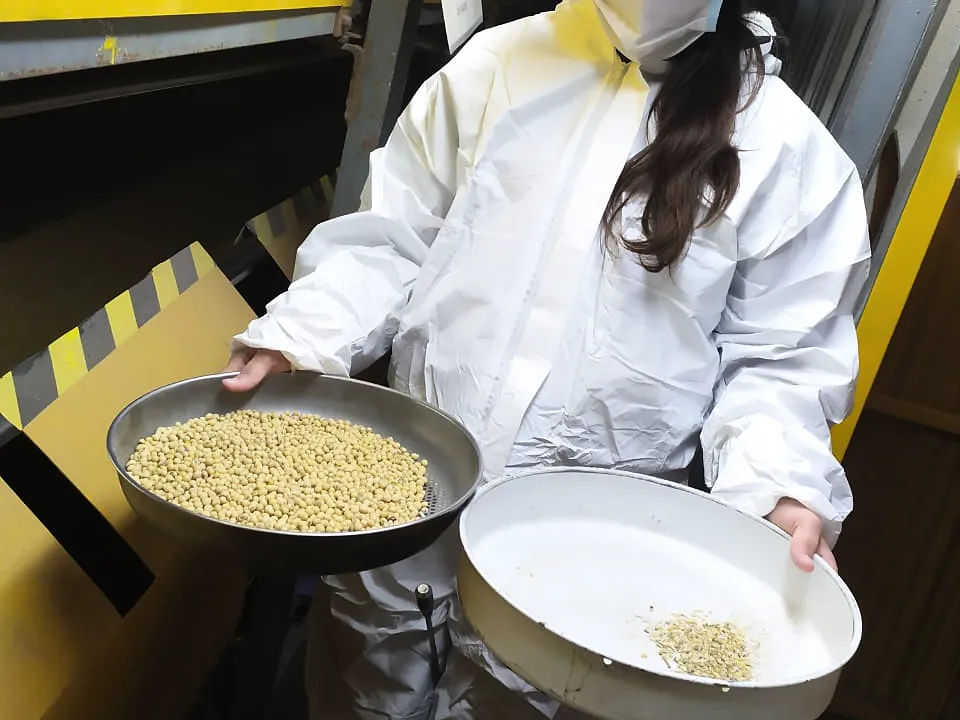
As applicable, grain quality analysis may cover moisture, foreign matter, damaged kernels, broken kernels, hectoliter weight, protein, fat content and other physical, chemical or commercial parameters.
Verifications may be performed through in-house technical checks or analyses by specialized external laboratories, in accordance with applicable requirements and methods.
Step by step: how Williams Certificaciones is involved
- 1. Presence during the operation. Williams Certificaciones technical staff work directly at the facilities or on the means of transport and perform the inspections and checks covered by the contracted service.
- 2. Inspection and sampling. The inspector verifies the characteristics and condition of the goods and, where appropriate, collects representative samples following applicable technical procedures.
- 3. Quality and quantity checks. The verifications, measurements and determinations specified for each operation are performed. Specialized external laboratories are used when needed.
- 4. Recording, monitoring and communication of results. During the operation, technical staff perform the planned checks, record events, identify potential deviations and communicate results in a timely manner. Depending on the scope of the service, they also supervise operational actions related to the checks.
- 5. Issuance of documentation. Williams Certificaciones prepares and issues reports, records and certificates in accordance with client requirements, the characteristics of the service, available information and applicable technical procedures.
What happens when a discrepancy is detected
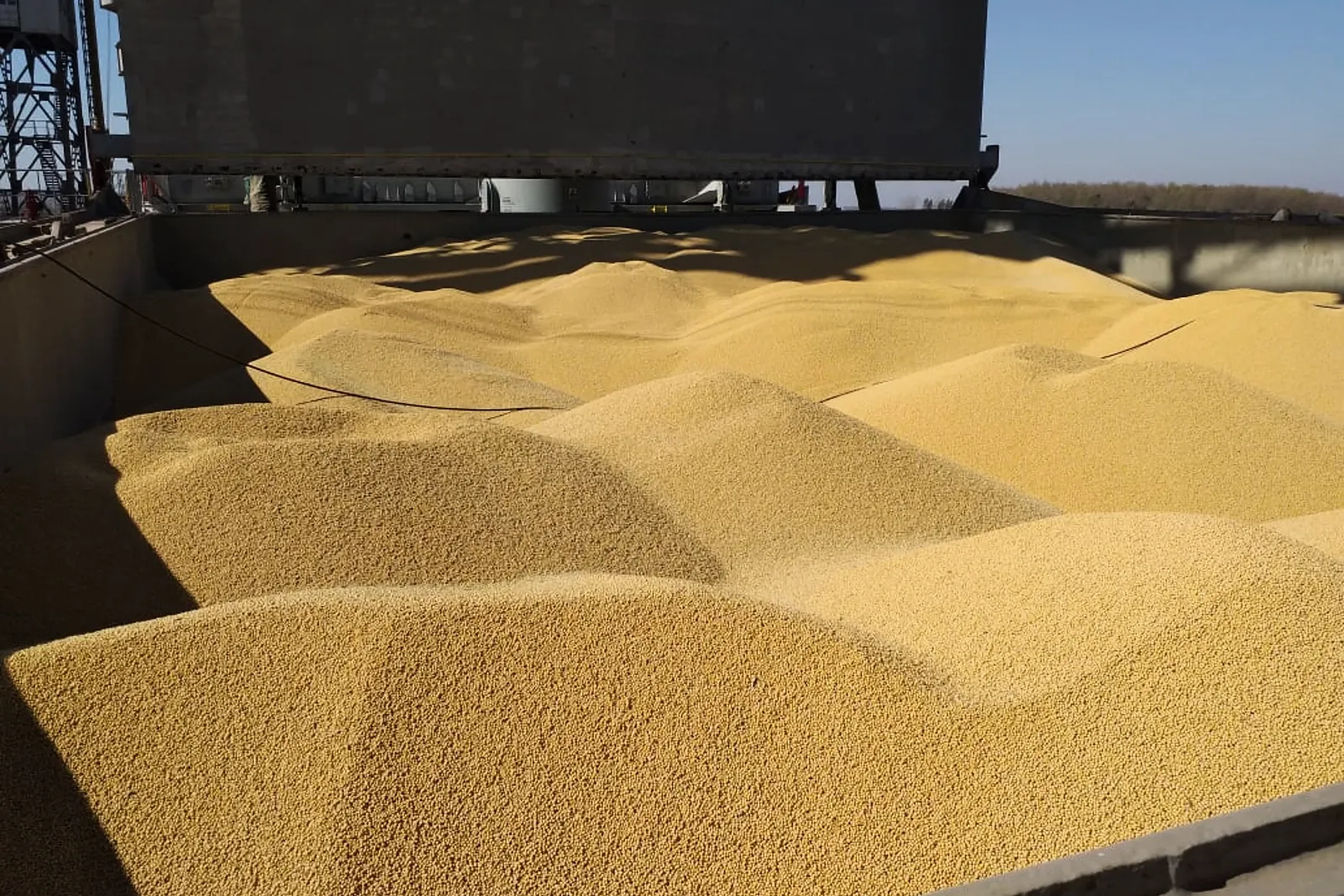
During receiving, unloading or ship loading, discrepancies may arise in weight, quality parameters, the condition of the goods or operational records.
Williams Certificaciones technical staff verify the conditions of the operation, record results and report any discrepancies detected. Depending on the terms of the service, they may also supervise, monitor and check the operational measures implemented.
Information obtained during the operation supports timely decision-making. Results available afterward retain their value as supporting documentation, inspection evidence and a traceability tool. In all cases, the Inspection Body maintains the principles of impartiality and technical independence.
How to plan an on-site inspection
Proper planning and execution of inspections make it possible to:
- identify discrepancies while the operation is underway;
- obtain representative samples at the appropriate stages;
- record times, interruptions and events directly on site;
- effectively monitor operating conditions;
- have verifiable information and supporting documentation.
Timely intervention and proper recording of observed conditions make results more reliable and the traceability of each operation more complete.
Other inspection and control services
In addition to receiving and ship loading, Williams Certificaciones offers:
- stock control and inventory verification;
- volumetric measurements and tank measurements;
- monitoring of goods movements and supervision of storage operations;
- checks on fertilizer receiving, storage and dispatch.
What the client receives
Depending on the characteristics of the service and the established requirements, Williams Certificaciones provides inspection reports, operational records, quality and weight certificates, sampling results, shipment reports, photographic records and any other relevant technical documentation.
These documents substantiate the verifications performed, the conditions observed and the results obtained during each intervention.
Usefulness
- Information during the operation
- Supports decisions while the operation is still underway
- Information afterward
- Supports analysis, documentation and verification of a completed operation
Discrepancies
- Information during the operation
- Identified and communicated while the goods are still at the facility
- Information afterward
- Documented and assessed once the operation has ended
Operational decisions
- Information during the operation
- Enable action on the ongoing operation
- Information afterward
- Provide information for subsequent assessments
Documentary support
- Information during the operation
- Record of the conditions observed at the time
- Information afterward
- Reports, certificates and traceability
| Aspect | Information during the operation | Information afterward |
|---|---|---|
| Usefulness | Supports decisions while the operation is still underway | Supports analysis, documentation and verification of a completed operation |
| Discrepancies | Identified and communicated while the goods are still at the facility | Documented and assessed once the operation has ended |
| Operational decisions | Enable action on the ongoing operation | Provide information for subsequent assessments |
| Documentary support | Record of the conditions observed at the time | Reports, certificates and traceability |
Each stage serves a different purpose: information during the operation supports decisions, while information afterward provides supporting evidence. On-site inspection makes both available.
Inspecting where events take place
An inspection conducted directly at ports, terminals and industrial facilities verifies the condition of the goods and records what happens as it happens.
Williams Certificaciones provides inspection, supervision and technical control services, with verifiable information obtained through appropriate procedures and competent personnel. Impartiality, technical independence and traceability of results are the foundation of its work as an Inspection Body.
Frequently asked questions
Common questions about this topic
- It is an inspection conducted directly where the goods are located or where an operation takes place. It allows their condition to be verified and the results of the inspection to be recorded.
- Yes. It inspects and supervises receiving and unloading operations, with checks on weighing, quality and quantity, sampling, inspections of premises and operational records, depending on the contracted service.
- It works primarily with cereals, oilseeds, by-products, fertilizers and other agro-industrial goods. Depending on the product, checks may include moisture, foreign matter, damage, hectoliter weight, protein, fat content and other applicable parameters.
- Not necessarily. Williams performs technical checks and, where appropriate, works with specialized external laboratories for the required determinations.
- Yes. Services may include qualitative and quantitative inspections, weight checks, sampling, cargo hold inspections, supervision of loading and unloading and draft measurements through Draft Survey.
- Yes. It offers inventory verification, volumetric measurements, tank measurements, monitoring of goods movements and supervision of storage operations, in accordance with contracted requirements.
- Depending on the service, inspection reports, quality and weight certificates, sampling records, shipment reports and other relevant technical documents are issued.
- Sampling provides representative samples of the goods; analysis determines their characteristics or quality parameters; and inspection involves technical verification of the established conditions and requirements, which may include sampling, measurement and evaluation of resultsGrain quality is not debated, it is proven.
Redacción Pulso Puerto
Notes prepared by the Pulso Puerto editorial team in conjunction with Williams Agroservicios operators who work daily at the terminals.